How to Sprout Fenugreek Seeds at Home Without Mold

How to Sprout Fenugreek Seeds at Home Without Mold: The Ultimate Guide
The Anti-Mold Promise: How to Get Clean, Crisp Methi Sprouts Every Time
Mastering how to sprout fenugreek seeds at home without mold comes down to one golden rule: balancing moisture and air circulation. Because fenugreek mucilage retains water heavily, trapping seeds in a stagnant, overly wet environment is the primary cause of white fuzz and spoilage. By strictly controlling rinse cycles and ensuring proper drainage, you can easily grow crisp, aromatic sprouts safely.
When you embark on the journey of indoor sprouting, you take control of your food supply, producing living enzymes and fresh nutrients right on your kitchen counter. However, organic seeds require a delicate balance. Too much water without adequate oxygen creates an anaerobic environment where harmful pathogens thrive. By understanding the biology of your seeds and respecting their need for ventilation, you can circumvent the common pitfalls that lead to slimy, spoiled batches. Every successful harvest reinforces the value of meticulous kitchen hygiene, transforming a simple jar of seeds into a powerhouse of daily vitality. For more insights on incorporating healthy spices into your routine, read our guide on 3 Essential Organic Spices for Your Kitchen: Fenugreek, Black Pepper & Cumin – Health Benefits & Culinary Uses.
Can Fenugreek Seeds Be Sprouted Safely?
Yes, sprouted methi is exceptionally safe and deeply nourishing when cultivated with clean practices. Learning how to grow methi at home in water requires just a few minutes of daily attention to keep the seeds vibrant and free of pathogens. Follow these core prevention steps for a successful harvest:
- Rinse thoroughly: Wash your Fenugreek Seeds (कसूरी मेथी) at least two to three times a day to wash away excess starches.
- Drain completely: Never let your seeds sit in standing water; tilt your sprouting vessel at a 45-degree angle to gravity-drain all trapped moisture.
- Maximize airflow: Use a breathable mesh lid rather than a solid cover to ensure continuous oxygen exchange throughout the sprouting cycle.
When you prioritize hygiene and aeration, your kitchen counter transforms into a reliable source of living, enzyme-rich greens that elevate your daily wellness routine. Emphasizing cleanliness from the very first soak ensures that every batch you produce remains crisp, aromatic, and entirely safe for consumption.

The Root Hair vs. Mold Diagnostic Framework
One of the most common pitfalls when sprouting fenugreek seeds at home without mold is prematurely discarding a healthy batch. Many home growers mistake delicate, newborn plant anatomy for a ruined crop, tossing perfectly edible sprouts into the compost bin.
Understanding the visual and structural differences between benign growth and contamination is essential for any conscious kitchen. By learning to identify true pathogens from natural plant development, you ensure zero food waste while enjoying the peak vitality of your Villorya Organics seeds. Misidentifying root hairs as fungal outbreaks is a frequent beginner mistake, leading to unnecessary frustration and discarded nutrition. Developing a sharp eye for early plant physiology empowers you to manage your indoor sprouting projects with absolute confidence and scientific precision.
Fuzzy Fungal Spores vs. Natural Root Epidermal Hairs
As your fenugreek begins to germinate, microscopic extensions emerge from the taproot to absorb moisture and atmospheric oxygen. These are your developing root hairs, and they often appear as a dense, velvety white halo surrounding the seed tail.
To definitively distinguish between harmless sprout anatomy and destructive white mold, apply these three simple diagnostic checks:
- The Water Immersion Test: Gently submerge a sprouting seed in a bowl of fresh water. True root hairs will mat down smoothly against the root surface, whereas fungal mold will float outward, maintaining its hazy, cloud-like structure.
- Smell and Texture: Healthy fenugreek roots have a clean, earthy, and distinctly nutty aroma. If your jar smells musty, sour, or stagnant, you are dealing with actual rot or mold.
- Distribution Pattern: Root hairs uniformly emerge exclusively along the primary root zone as a fine fuzz. Mold typically forms irregular, web-like patches that spread indiscriminately across the seeds, hulls, and container walls.
Embracing this diagnostic clarity allows you to cultivate your organic spices with complete confidence. Nourish your body with pure, chemical-free vitality straight from your countertop, backed by the uncompromising quality of Fenugreek Seeds (कसूरी मेथी). By sharpening your diagnostic skills, you eliminate guesswork and ensure that your nutritional investments always end up on your plate rather than in the trash.

Step-by-Step Sprouting Instructions for Fenugreek (Methi Dana)
Learning how to sprout methi seeds at home is a rewarding way to elevate your daily nutrition with vibrant, enzyme-rich microgreens. Premium quality methi dana requires just a few basic kitchen tools and careful attention to moisture control to yield a clean, mold-free harvest.
Sprouting seeds at home is an ancient culinary art that bridges traditional wellness with modern kitchen convenience. By following a structured, repeatable protocol, you minimize human error and establish an optimal microclimate inside your sprouting vessel. Whether you are adding these crisp sprouts to morning salads, wraps, or traditional curries, mastering the core technique guarantees consistent yields of exceptional quality and flavor.
Soaking and Initial Germination Phase
The secret to successful sprouting without mold lies in starting with pure, intact seeds and maintaining proper airflow. Gather your essential equipment: a glass sprouting jar, a breathable mesh lid, and filtered water at room temperature.
- Measure and Rinse: Measure two tablespoons of clean organic fenugreek seeds into your sprouting jar. Rinse them thoroughly with cool water, swirling the seeds to remove any natural dust or debris, then drain completely.
- The Initial Soak: Fill the jar with fresh, filtered water, ensuring the water level sits at least two inches above the seeds. Cover your jar with the mesh lid and let the methi dana soak undisturbed in a cool, dark place for 8 to 12 hours (overnight is ideal).
- The First Drain: After the soaking phase, invert the jar completely to drain every last drop of residual water through the mesh lid. Stagnant moisture is the primary cause of spoilage, so give the jar a gentle shake to extract excess liquid.
- Rinse and Rest: Place your jar at an angle (roughly 45 degrees) in a well-ventilated area out of direct sunlight to allow air circulation. Rinse and drain your sprouting seeds twice a day—once in the morning and once at night—until you notice tiny white tails emerging within 24 to 48 hours.
This methodical approach ensures that your seeds awaken uniformly from dormancy. By maintaining consistent hydration and aeration cycles, you pave the way for a lush, clean harvest of fenugreek sprouts.

Mastering Airflow, Humidity, and Rinsing Schedules
Preventing mold during home sprouting is entirely about managing your microclimate. When sprouting Villorya Organics Fenugreek Seeds, the combination of trapped moisture and stagnant air creates a breeding ground for fungal spores. To achieve a successful, crisp harvest, you must control three critical variables: air circulation, rinsing schedule, and excess moisture elimination.
Environmental conditions in your kitchen play a monumental role in the success of your indoor crops. Ambient humidity, seasonal temperature fluctuations, and counter placement can all impact how quickly your seeds dry out between rinses. By proactively managing these external factors, you establish an impenetrable defense against mold, yeast, and bacterial contamination, safeguarding your health and your harvest.
Exact Temperature and Humidity Requirements for Mold-Free Methi
Agricultural and food safety guidelines indicate that fungal pathogens thrive in environments with high relative humidity and temperatures exceeding 75°F (24°C). To inhibit mold growth while encouraging rapid germination, maintain your sprouting station within these parameters:
- Ideal Temperature Range: 65°F to 70°F (18°C to 21°C).
- Relative Humidity: Keep ambient room humidity below 60% where possible.
- Vessel Ventilation: Use a breathable mesh lid rather than solid material to ensure continuous air circulation.
Establish a strict rinsing schedule by thoroughly washing your seeds every 8 to 12 hours with cool, clean water. After each rinse, aggressively shake the sprouting vessel at a 45-degree angle to eliminate excess moisture. Complete drainage prevents the standing water that inevitably leads to spoilage and mold contamination.
Diligent adherence to these climate parameters ensures that your fenugreek seeds develop robustly without succumbing to environmental stressors. A disciplined approach to rinsing and draining is the ultimate guarantee of a pristine, aromatic harvest.
Buy Your First Organic Spice For FREE
No hidden charges. Experience the unmatched aroma and medicinal purity of single-origin Indian spices. Your full order amount will be 100% refunded to your bank account after successful delivery.

Single-Origin Rajasthan
Cumin Seeds (जीरा)

Tellicherry Grade
Black Pepper (काली मिर्च)

Sweet Lucknowi
Fennel Seeds (सौंफ)

Troubleshooting Common Sprout Mold and Spoilage Issues
Encountering spoiled batches is the biggest frustration when learning how to sprout fenugreek seeds at home without mold. When growing your own Villorya Organics Fenugreek Seeds, understanding the root causes of contamination ensures a crisp, clean harvest every single time.
The most common culprit behind a ruined batch is the presence of dormant Fungal spores activated by excess stagnant moisture and poor airflow. By identifying warning signs early, you can salvage your routine and prevent future crop loss. Troubleshooting is an essential skill for any home grower, turning minor setbacks into valuable lessons in agricultural hygiene and kitchen management. You can also explore how other warming spices like black pepper support gut health in our article on The Digestive Wellness Trio: Fennel, Carom & Black Pepper for Gut Health.
Quick-Reference Sprout Recovery and Prevention Checklist
Use this diagnostic guide to address persistent spoilage, drainage errors, and fuzzy textures:
- Fuzzy White Micro-Roots vs. Mold: Tiny, hair-like white filaments growing along the taproot are actually specialized root hairs, not mold. True mold appears as web-like gray or green patches with a musty odor and slimy texture.
- Fixing Drainage Errors: If water pools at the bottom of your vessel, the seeds will suffocate and rot. Ensure your sprouting jar or container is tilted at a 45-degree angle to allow complete gravity drainage after every rinse.
- Airflow Optimization: Trapped humidity breeds bacteria. Switch to a breathable mesh sprouting lid and store your container in a well-ventilated area away from dark, damp corners of the kitchen.
- Sanitization Protocol: Thoroughly sterilize all sprouting equipment in boiling water before starting a new batch. Even microscopic bacteria left on jars can ruin an entire harvest of organic seeds.
Consistency is key to mastering domestic sprouting. By maintaining strict hygiene and optimal drainage, you will enjoy fresh, nutrient-dense sprouts without the risk of spoilage. Implementing these preventative measures guarantees long-term success in all your indoor cultivation endeavors.
Beyond Sprouts: Growing Fenugreek Microgreens and Health Benefits
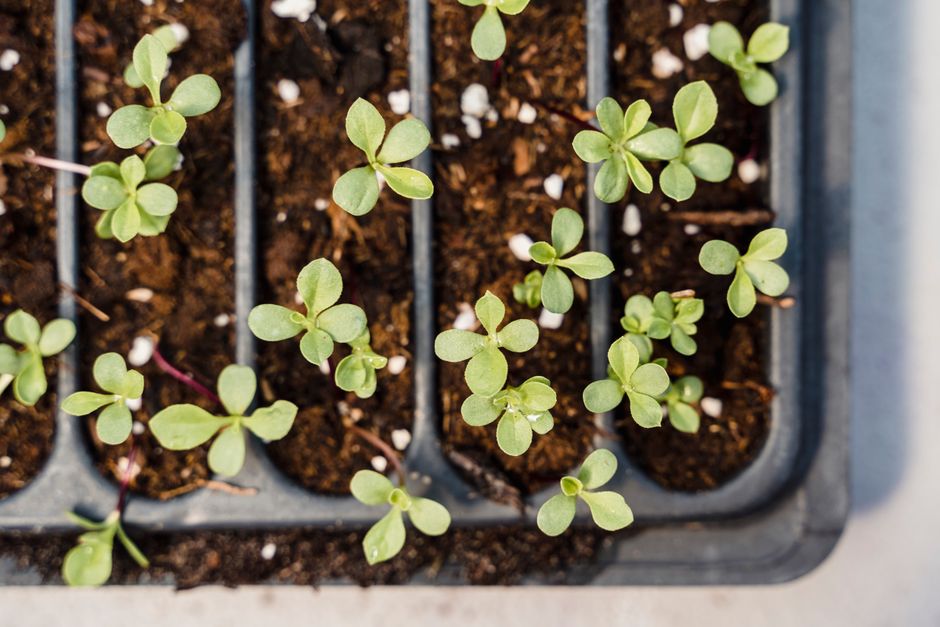
Once you master how to sprout fenugreek seeds at home without mold, you can easily transition your indoor garden to harvest nutrient-dense greens. Learning how to grow fenugreek microgreens at home is a rewarding extension of sprouting that yields flavorful, tender shoots packed with concentrated botanical compounds.
To cultivate microgreens, sow your premium Villorya Organics seeds densely in shallow trays filled with organic potting soil rather than using a sprouting jar. Keep the soil moist and place the tray in a well-ventilated, indirect sunlight area to prevent the exact same humidity issues that cause mold in sprouts. Expanding your indoor garden into microgreens opens up new culinary dimensions, offering intense flavors and a brilliant visual appeal for your homemade dishes. To learn more about other healing spices used alongside fenugreek, read about the Black Pepper: The King of Spices – Health Benefits, Uses, and Buying Guide.
Nutrition Profile
Incorporating these sprouts and greens into your daily diet delivers an impressive array of essential vitamins, minerals, and plant-based compounds. From an Ayurvedic perspective, this bitter-taste profile helps balance internal energies and supports optimal metabolic function.
- Vitamins: Rich in Vitamin C, Vitamin A, and vital B-complex vitamins.
- Minerals: A potent natural source of iron, magnesium, and manganese.
- Active Plant Compounds: High concentration of unique saponins and beneficial antioxidants.
These nutritional powerhouses support overall vitality, bolster immune defenses, and provide clean, plant-based fuel for your body. Integrating fenugreek sprouts and greens into your culinary routine is a simple yet profound way to upgrade your nutritional intake.
Potential Side Effects
While the array of fenugreek sprouts benefits is extensive, it is important to consume them mindfully as part of a balanced diet. Because these potent seeds actively influence blood sugar and hormone pathways, certain individuals should exercise caution.
Excessive consumption may lead to mild digestive upset, gas, or a distinct maple-like change in bodily scent due to the seed's volatile oils. Additionally, pregnant women should avoid large medicinal doses of fenugreek, as it can stimulate uterine contractions, while those on diabetes medications should monitor their blood sugar closely. Moderation and mindful eating ensure that you enjoy the maximum rewards of these wonderful seeds without unwanted physiological side effects.

Get Started with High-Germination Organic Seeds
Successful sprouting begins long before your seeds ever touch water. To prevent mold and ensure a vigorous, healthy harvest, your foundation must start with high-germination organic seeds that are free from chemical treatments and heavy processing.
Old, damaged, or chemically treated seeds often struggle to sprout evenly, leaving behind damp, dead organic matter that invites mold and bacterial growth. Choosing certified organic, food-grade seeds guarantees that your sprouts develop quickly, cleanly, and safely for your kitchen. Investing in premium seed stock is the single most effective way to eliminate frustration and secure a bountiful, mold-free yield every single time you sprout.
Explore Our Premium Seed Collection
At Villorya Organics, we provide pure, ethically sourced spices and seeds designed to deliver exceptional vitality. Whether you are growing your own greens or stocking your pantry, our collection meets the highest standards of purity and agricultural integrity.
- Fenugreek Seeds (कसूरी मेथी): Sourced for optimal vitality and robust germination, our premium methi seeds produce crisp, slightly bitter sprouts packed with traditional wellness benefits.
- Cumin Seeds (जीरा): Known for their earthy aroma and rich essential oil content, our organic jeera brings authentic warmth to spice blends and culinary creations.
- Carom Seeds (अजवाइन): Hand-selected for exceptional potency, our aromatic ajvain seeds offer a sharp, pungent flavor profile deeply rooted in Ayurvedic traditions.
By starting with clean, chemical-free ingredients from our collection, you eliminate the primary hidden cause of countertop mold: compromised seed viability. Invest in quality organic seeds today and experience the true difference in your home-sprouting and cooking routine.

Frequently Asked Questions About How to Sprout Fenugreek Seeds at Home Without Mold
Can fenugreek seeds be sprouted?
Yes, fenugreek seeds can easily be sprouted at home using a simple jar-rinsing method. Keeping the seeds well-drained and ensuring proper airflow are key steps to prevent mold growth during the sprouting process. This technique allows anyone to enjoy fresh greens year-round right from their kitchen counter.
Is it safe to eat sprouted fenugreek seeds?
Yes, sprouted fenugreek seeds are safe and highly nutritious. However, because sprouts grow in warm, humid conditions, always rinse them thoroughly twice daily to prevent harmful bacteria or mold from developing before consumption. Inspecting your sprouts before eating ensures maximum safety and flavor.
How to sprout methi seeds at home?
Soak organic methi (fenugreek) seeds in water for 8 to 12 hours. Drain and rinse them, then place them in a sprouting jar or mesh-covered container. Rinse and drain the seeds twice daily, keeping them in a well-ventilated, indirect-light spot until sprouts appear. Within days, you will have fresh, crisp sprouts ready for your favorite recipes.
How to grow fenugreek microgreens at home?
Sow organic fenugreek seeds densely over a shallow tray filled with damp potting soil. Cover lightly, keep in a warm, dark place until germination, and then move to a sunny windowsill. Water gently from the bottom to prevent mold and harvest within 10 to 14 days. This method yields tender, highly concentrated greens packed with essential nutrients.


