What is the hardest spice to grind? And How to Grind It

What Is the Hardest Spice to Grind? The Density Ranking & Appliance Protection Guide

The Hardest Spice to Grind: Direct Answer and Density Ranking
Dried Turmeric Root (Curcuma longa) is unequivocally the hardest spice to grind in the culinary world. In its fully cured and dehydrated state, this golden rhizome achieves a rock-like density capable of dulling standard steel blades and damaging low-wattage mortar and pestle sets. To understand why dried turmeric root holds the title of the absolute hardest spice to grind, we must look closely at its post-harvest journey. Fresh turmeric rhizomes are relatively soft, fleshy, and easy to slice, much like fresh ginger. However, to prepare them for commercial sale and storage, farmers boil the harvested rhizomes in large vats of water. This boiling process is critical: it gelatinizes the rich starches locked inside the plant's cell walls and ensures an even distribution of the bright yellow-orange pigment known as curcumin. Once boiled, the rhizomes undergo a meticulous sun-drying process that spans several weeks. As the moisture content drops from around 80% to less than 8%, the gelatinized starch cools and solidifies into an incredibly dense, horn-like, crystalline cellular matrix. This curing process essentially petrifies the root, transforming a soft agricultural product into a rock-hard specimen with a density that rivals seasoned hardwoods.
While several whole botanicals present significant resistance, food science density profiles rank the most difficult whole spices in the following order:
- Dried Turmeric Root (Curcuma longa) - The absolute peak of botanical hardness, exhibiting an unyielding, starch-gelatinized structure with negligible moisture.
- Whole Nutmeg (Myristica fragrans) - A dense, woody seed composed of folded endosperm tissue. It is highly resistant to impact but yields to shearing forces due to its unique lipid structure.
- Cassia Cinnamon Bark (Cinnamomum cassia) - The thick, mature bark of the cassia tree, packed with dense lignified cellulose fibers and protective outer bark layers.
- Dried Ginger (Zingiber officinale) - Similar to turmeric but with a slightly more fibrous, less gelatinized structure, leaving behind tough, stringy vascular bundles that resist fine pulverization.
Is Turmeric Root Harder to Grind Than Nutmeg?
Yes, Dried Turmeric Root is substantially harder to break down than Whole Nutmeg. Although nutmeg is dense, its high fatty lipid content—specifically trimyristin—gives its inner seed a firm yet slightly waxy consistency that yields readily to a rasp grater or microplane.
From a physical chemistry standpoint, the key differentiator between these two formidable botanicals lies in their lipid-to-starch ratios. Whole nutmeg is structurally complex, featuring a dense, convoluted inner seed. However, nutmeg is also exceptionally rich in natural fats, specifically trimyristin—a triglyceride of myristic acid—which constitutes up to 30% to 40% of the seed's dry weight. When subjected to the pressure of a grater or blade, these lipids act as an internal lubricant, reducing the mechanical shear stress required to break the botanical matrix.
Conversely, dried turmeric lacks high oil levels and undergoes a traditional boiling and dehydration process that compacts its internal structure. This turns the rhizome into a solid, glass-like mass, making it far more resistant to mechanical shearing than the oily seed of Whole Nutmeg. This absence of internal lubrication means that any tool attempting to grind turmeric must rely entirely on raw, high-impact force or extreme shearing stress, resulting in rapid heat buildup and severe mechanical wear on standard steel blades.
Cell Wall Toughness and Botanical Structure of Hard Spices
The structural rigidity of hard spices stems directly from their botanical makeup and post-harvest processing. When fresh Curcuma longa rhizomes are boiled and dried, intracellular starches gelatinize and harden within heavily lignified cell walls, creating an exceptionally tight cellular matrix with almost no moisture content. To appreciate the shear resistance of these botanicals, we must examine their microscopic architecture. Plant cell walls are reinforced by a complex network of cellulose microfibrils embedded in a matrix of hemicellulose and pectin. In woody tissues, this matrix is further impregnated with lignin, a complex organic polymer that provides exceptional structural rigidity and resists chemical and physical degradation.
The cellular defenses of other hard spices differ significantly based on their plant tissues:
- Cassia Cinnamon Bark: Harvested from the mature outer bark layers of tree trunks, relying on thick xylem walls and rigid cellulose fibers for structural defense. During the curing of cassia cinnamon, the bark undergoes a natural drying process that causes the thick-walled sclerenchyma cells—often referred to as 'stone cells'—to contract and lock together. These stone cells are designed by nature to protect the inner cambium of the tree from physical pests, making them highly resistant to mechanical crushing.
- Dried Ginger: Contains a dense network of tough vascular bundles wrapped in dehydrated parenchyma cells that resist uniform pulverization. The parenchyma tissue collapses during dehydration, leaving behind an extremely dense, concentrated network of lignified vascular bundles. These long, fibrous strands behave like high-tensile threads, wrapping around spinning blades and resisting the clean shattering required for a fine powder.
- Whole Nutmeg: Formed by a hard, folded endosperm core encased in a protective layer, demanding high-impact pressure rather than simple slicing. Nutmeg's resistance relies on its tightly folded, ruminate endosperm, which demands a localized, high-impact force to fracture its compact, interlocking cell layers.

Why Tough Spices Destroy Kitchen Appliances and Grinder Motors
Hard botanical structures like dried turmeric rhizomes, cassia bark, and rock-hard seed pods present extreme physical resistance to standard kitchen gear. Attempting to pulverize these dense materials without commercial-grade power frequently leads to permanent mechanical failure. When a home cook introduces petrified botanical structures like dried turmeric or mature cassia bark into a standard kitchen appliance, they are forcing the machine to perform work far beyond its engineered design limits. Kitchen appliances operate on basic laws of electromagnetism and physical mechanics. The resistance offered by a rock-hard spice directly counteracts the rotational force (torque) generated by the motor. If the torque required to shear through the spice exceeds the maximum torque the motor can produce, the rotor slows down or halts completely, creating a highly destructive state known as a motor stall.
Why Standard Pepper Mills and Low-Wattage Coffee Grinders Fail
Most basic coffee grinders and electric pepper mills operate on a low Wattage/Motor Rating of 150 to 200 Watts. These lightweight units lack the rotational torque required to shear through tough, fibrous plant matter.
Appliance manufacturer specifications indicate that safely processing dense rhizomes requires heavy-duty motors rated at a minimum of 500 to 750 Watts. When a standard spice grinder motor encounters high physical resistance, it draws excessive current, quickly triggering the thermal overload protection switch or burning out the electrical windings entirely.
The primary reason low-wattage grinders fail when faced with hard spices is the relationship between electric current, rotational speed, and electromagnetic induction. Most inexpensive household coffee grinders utilize small universal motors optimized for high-speed, low-torque operations—perfect for shattering brittle, pre-roasted coffee beans which have a highly porous, aerated structure. However, when these thin stainless steel blades strike a solid piece of turmeric or cassia bark, the immediate physical resistance causes a dramatic drop in rotational speed. In an electric motor, the spinning of the rotor generates a secondary voltage known as back-electromotive force (back-EMF), which opposes the incoming voltage and naturally limits the electric current flowing through the circuit. When the rotor is forced to slow down or stall, the back-EMF drops to near zero. Consequently, the electric current (measured in Amperes) spikes to its maximum 'locked-rotor' level. According to Joule's First Law, the heat generated within the copper motor windings increases exponentially with the square of the current. Without the high-speed rotation of the internal cooling fan, this rapid heat accumulation melts the protective enamel insulation on the copper wires, causing a devastating short circuit, an acrid smell of burning plastic, and permanent motor burnout.
Why Oily Spices Clog Burr and Blade Grinders
Whole botanicals like organic cumin seeds, cardamom, and nutmeg carry dense concentrations of natural lipids and essential oils. When pulverized, these volatile oils release and mix with micro-particles, creating a thick paste. While dry, hard spices threaten appliances through sheer mechanical resistance, oil-rich spices present a completely different physical hazard: viscoelastic clogging. Spices like cumin, coriander, fennel, cardamom, and nutmeg possess high concentrations of volatile and fixed oils stored within specialized cellular structures, such as oil glands or vittae. When these botanicals are subjected to the intense mechanical pressure and friction of a burr or blade grinder, the cell walls shatter, expressing these internal oils. The localized friction heat further reduces the viscosity of the oils, causing them to coat the surrounding dry starch and fiber particles. This mixture behaves like a binder, transforming free-flowing spice fragments into a sticky, dense, cohesive paste.
- Burr Grinders: The oily paste packs into the micro-grooves of steel or ceramic burrs, blinding the cutting surfaces and jamming the drive shaft. As more spice is introduced, the paste solidifies under pressure, 'blinding' the cutting surfaces so they can no longer grab or shear the whole spices. This creates massive frictional drag, overloading the drive shaft and putting immense strain on the motor gears, which can lead to stripped plastic drive gears or thermal overload shutdown.
- Blade Grinders: Compacted spice paste collects under the spinning blades, creating severe mechanical friction that stalls motor rotation. This prevents the blades from reaching their required speed, leading to rapid heat buildup in the housing and eventual motor failure.
Thermal Degradation: How Heat Generation Destroys Volatile Oils
When an underpowered motor forces blades through tough spices, kinetic friction converts into extreme heat. Chamber temperatures can rapidly spike, causing delicate aromatic compounds to evaporate instantly.
In Ayurvedic traditions, excessive heat destroys the vital energy (Prana) and therapeutic potential of spices. Thermal stress degrades key active volatile oils—such as cuminaldehyde in organic cumin—leaving behind a scorched, bitter powder stripped of its healing benefits.
From a food science perspective, the quality of a ground spice is determined by the retention of its volatile aromatic compounds. These compounds are highly sensitive to thermal energy. For instance, the signature warm, sweet aroma of cloves comes from eugenol, which has a boiling point of 254°C but starts to volatilize rapidly at temperatures as low as 35°C. Similarly, cinnamaldehyde in cinnamon, myristicin in nutmeg, and cuminaldehyde in cumin are highly prone to thermal degradation and evaporation. When an underpowered motor struggles to grind hard spices, it runs continuously at low efficiency, converting the vast majority of its electrical energy into heat rather than mechanical work. The temperature within the grinding chamber can easily exceed 60°C (140°F) within a few seconds. This extreme micro-climate acts as an accidental distillation process, causing the delicate, low-boiling-point volatile compounds to flash off into the air, leaving behind a chemically depleted, scorched powder. When a spice is scorched, its therapeutic properties (such as the anti-inflammatory curcuminoids in turmeric or the digestive carminatives in cumin) are compromised, leaving the cook with a bitter, dull ingredient devoid of its original healing and culinary vibrancy.

Spice Hardness & Recommended Grinding Tool Comparison
Matching the density of whole spices with the appropriate processing gear is essential to protect your kitchen equipment and preserve precious volatile oils. Using the wrong tool on exceptionally tough botanicals can result in dull blades, burnt aromas, or broken appliances.
Review our comprehensive Spice Hardness Table to select the ideal processing method based on structural density, moisture content, and mechanical risk factor.
Before looking at the table, it is helpful to conceptualize how spice hardness operates on a scale relative to common household materials. While we do not use the geological Mohs hardness scale directly for organic matter, we can draw clear parallels. A dried turmeric root, for instance, exhibits a physical hardness that makes it feel almost like a dense river pebble, requiring substantial localized impact to crack. Understanding where each spice falls on this spectrum allows cooks to preemptively choose manual or mechanical methods that bypass the physical limitations of their tools, ensuring both safety and optimal flavor extraction.
Comparative Spice Hardness Matrix
| Spice Name | Hardness Level (1-10) | Main Failure Hazard | Recommended Grinding Tool | Minimum Required Wattage/Tool Type |
|---|---|---|---|---|
| Turmeric Root | 9.5 | Blade Snapping | Heavy Granite Mortar and Pestle or Commercial Mill | 750W High-Torque Electric Grinder |
| Cassia Bark | 8.5 | Blade Snapping | Cast Iron Spice Mill or Hand Crushing | 750W Heavy-Duty Motor |
| Nutmeg | 8.0 | Clogging | Stainless Steel Microplane Grater | Manual Fine Rasp Grater |
| Star Anise | 6.0 | Thermal Overload | Standard Electric Spice Grinder | 200W Electric Blade Unit |
| Cumin Seeds | 3.0 | Thermal Overload | Traditional Granite Mortar and Pestle | 150W Electric or Manual Impact |
Selecting the Right Apparatus for Optimal Extraction
Extremely dense roots like dried Turmeric Root and fibrous Cassia Bark possess a rigid cellular structure that easily shatters domestic blender blades. Pre-crushing these dense botanicals manually before processing prevents severe equipment damage. Selecting the correct grinding apparatus is not merely a matter of convenience; it is a fundamental culinary decision that dictates the final texture, flavor release, and shelf-life of your spices. For example, when processing tough, fibrous barks like cassia cinnamon, a simple blade grinder will often yield a gritty, uneven mixture containing sharp wood-like splinters alongside an over-processed fine dust. To achieve a perfectly uniform, silky powder, a heavy cast-iron hand crank mill or a dedicated high-wattage impact mill is required. These tools apply continuous, high-intensity pressure that shears the long cellulose fibers rather than just bouncing them around.
For oily, resinous spices such as whole Nutmeg, motorized high-speed blades generate intense friction heat that melts volatile fats, resulting in heavy machine clogging. A manual Microplane produces light, fluffy shavings without thermal degradation.
Softer, oil-rich seeds require gentle processing to protect their vital aromatic profile. Using a heavy Granite Mortar and Pestle ensures a cool, low-friction grind that preserves delicate essential oils and therapeutic potency. Using a heavy granite mortar and pestle allows the cook to exert controlled, crushing force. This physical action gently presses the essential oils out of their botanical cellular pockets and coaxes them directly into the dry fibrous pulp, creating a damp, highly aromatic, and incredibly rich seasoning. This cold-pressing effect preserves the complete, unaltered chemical profile of the spice, ensuring that none of the delicate top notes are lost to the hot exhaust of an electric motor.

Pre-Grinding Preparation: How to Soften and Break Down Woody Spices Safely
Feeding whole, rock-hard rhizomes directly into a household blender or electric grinder can permanently dull blades and burn out appliance motors. Establishing a proper pre-grinding preparation routine safeguards your culinary tools while preserving the vital essential oils within woody botanicals.
Professional chef guidance and extensive culinary testing demonstrate that reducing the size and physical resistance of dense spices before milling drastically reduces mechanical strain. Incorporating simple pre-softening protocols ensures a silky, fine powder without risking damage to your kitchen equipment. Many home cooks make the mistake of dropping whole, dried turmeric fingers or large chunks of cassia bark directly into their blender jars, assuming the high-speed blades will easily handle the load. This is a recipe for instant blade dulling, jar scratching, or motor failure. Implementing a structured pre-grinding preparation phase is an essential practice used by professional chefs and herbalists alike to extend the lifespan of their grinding equipment and unlock the maximum flavor potential of the botanicals.
Step-by-Step Visual Guide: Safely Cracking Rhizomes with a Mallet
Culinary experts strongly recommend manual fracturing over direct high-speed blending for dense botanicals. Mechanically smashing spices breaks down their lignified cellular structures, transforming stubborn chunks into manageable, grinder-ready pieces. The process of fracturing dense spices is designed to reduce the physical dimensions of the botanical to a size that the grinder's blades or burrs can easily grab. When a blade strikes a large, whole turmeric root, the contact area is massive, requiring maximum torque to shear. By breaking the root down into small, 2-to-3-millimeter fragments, you reduce the required shear force per impact, allowing the grinder to operate at its optimal, high-RPM range.
- Enclose the Spices: Place dried rhizomes inside a clean, heavy-duty canvas spice bag or fold them securely within a thick kitchen towel to contain flying debris. Dried spices are brittle and can shatter with explosive force, sending sharp, rock-hard fragments flying across the kitchen. Using a heavy-duty canvas bag or a very thick kitchen towel is essential to contain these pieces safely.
- Select a Solid Base: Position the wrapped spices on a heavy wooden butcher block or sturdy cutting board. Avoid working on fragile granite, glass, or tiled surfaces, as the shockwaves from the mallet can easily crack or chip these expensive household surfaces. Always use a solid, thick wooden cutting board placed flat on a structurally sound table or even on a clean concrete floor to absorb the heavy kinetic impacts.
- Fracture the Fibers: Using a wooden kitchen mallet, rolling pin, or the flat side of a heavy cast-iron skillet, firmly strike the spices until they break down into coarse, pea-sized fragments.
- Sift and Inspect: Remove any remaining large, unyielding chunks for a second pass before transferring the uniform pieces into your grinding mill.
What Is the Best Way to Soften Dried Turmeric Before Grinding?
Dried turmeric roots are among the densest ingredients in traditional herbalism. Culinary testing confirms that gentle thermal exposure is the most reliable method to soften dried turmeric safely without compromising its active curcuminoids or aromatic volatile oils. Beyond physical fracturing, thermal conditioning is a highly effective scientific technique used to modify the structural integrity of dense roots. When you dry-roast cracked turmeric fragments in a heavy cast-iron skillet over low heat, you are performing a delicate moisture adjustment. Although dried turmeric feels completely devoid of water, it still contains micro-pockets of bound moisture (around 5% to 8%).
Applying gentle heat causes this microscopic water to expand, creating internal steam pressure that micro-fractures the tightly bound, gelatinized starch walls from the inside out. As this happens, the root's fibers become highly brittle and lose their elastic resilience. At the same time, the gentle heat lowers the viscosity of the essential oils trapped within, mobilizing them so that they are easily released during the subsequent grind. This dual effect—making the starch structure brittle and mobilizing the essential oils—vastly reduces the mechanical work required by your electric grinder, resulting in a much faster grind, a finer powder, and a significantly cooler operating temperature.
Experience the Purity of Our Organic Spices
Elevate your cooking with our handpicked, premium spices. Farm-fresh, authentic, and naturally healthy.
Shop NowTo prepare cracked turmeric fragments, dry-roast them in a heavy-bottomed stainless steel or cast-iron pan over low heat for 2 to 3 minutes. This subtle warmth expands trapped moisture within the plant matrix and draws out natural oils, making the rigid fibers brittle enough to shatter effortlessly inside your grinder.
Never soak dried turmeric in liquid prior to electric milling. Excess water turns the ground spice into a sticky paste that locks up motor shafts and promotes mold growth during storage.

The Best Tools for Grinding Extremely Hard Spices
To crush dense barks, tough seeds, and fibrous roots without destroying essential volatile oils, you need equipment designed for maximum friction and structural durability. Choosing the right mechanism preserves the flavor integrity and authentic Ayurvedic properties of your spices. Investing in high-quality, task-specific tools is the ultimate way to elevate your culinary creations while protecting your standard household appliances. When dealing with the hardest spices in the world, you must choose between the time-tested manual methods that preserve flavor purity and high-performance mechanical systems engineered to handle extreme physical resistance.
Granite Mortar and Pestle (Molcajete) vs. Traditional Indian Grinding Stones
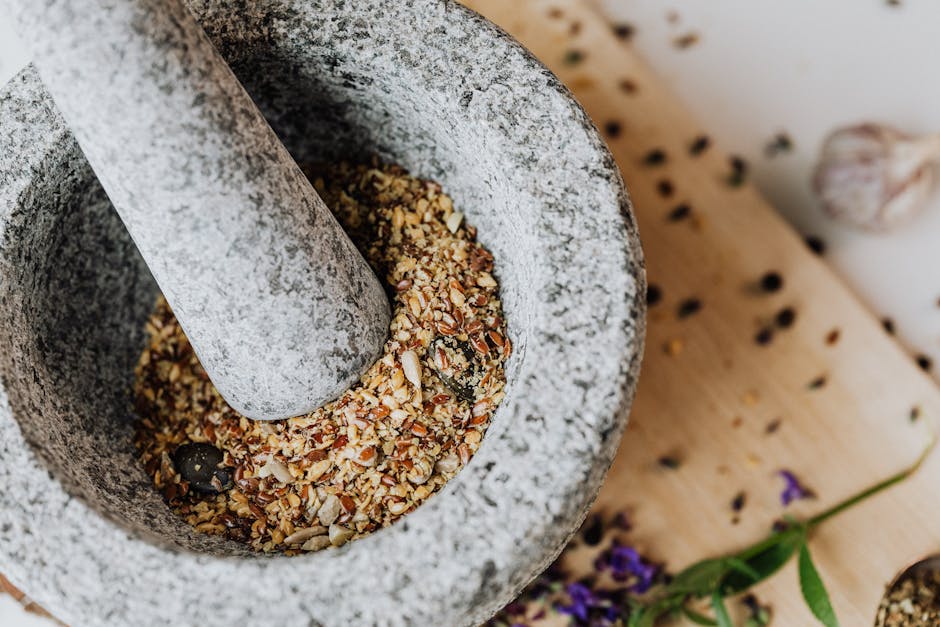
Heavy manual stone tools rely on gravity, weight, and shear force to break down rigid plant structures without generating friction heat. The physics of manual stone grinding tools is based on the combination of heavy mass and surface texture. A premium granite mortar and pestle relies on its sheer weight to do the hard work for you. When you drop a heavy, unpolished granite pestle onto a spice, the kinetic energy is transferred directly into the botanical, causing it to fracture along its natural structural fault lines. The coarse, unpolished interior surface of both the mortar bowl and the pestle creates high friction, preventing the spice pieces from slipping away during impact.
- Granite Mortar and Pestle: Ideal for cracking dense seed hulls like cardamom pods, pepper, and star anise. Look for unpolished, solid granite weighing at least 5 to 6 pounds to ensure maximum impact force without movement.
- Molcajete (Volcanic Rock): A rough volcanic stone tool excellent for coarse pastes and oil-rich seeds. The porous surface grips hard spices, though it requires proper seasoning before its first use. A traditional Mexican Molcajete made from porous volcanic basalt offers an exceptionally rough, abrasive surface. This surface acts like thousands of tiny, microscopic teeth that grind and shred the spice as you rotate the pestle. However, because of its porous nature, a Molcajete must be carefully seasoned with white rice and salt before its first use to grind down loose volcanic grit.
- Traditional Indian Grinding Stone (Sil-Batta): Uses a flat stone surface and rolling pin mechanism. It excels at pulverizing dry spices and wet masalas into ultra-fine pastes while pressing out essential oils. The traditional Indian Sil-Batta operates on a rolling and shearing principle. It consists of a large, flat, heavy stone slab and a cylindrical rolling stone (the Batta). The user places the spices on the slab and rolls the heavy stone back and forth while applying downward pressure. This combined rolling-shearing motion is uniquely capable of crushing tough, fibrous materials—such as ginger, turmeric, and fresh coconut—into ultra-smooth, uniform wet pastes or dry powders, making it an indispensable tool in traditional South Asian culinary arts.
Microplane and Rasp Graters for Dense Woody Spices
Shaving dense spices with sharp teeth is often far more effective than trying to smash them with blunt force. When dealing with extremely hard but relatively small spices like whole nutmeg or individual pieces of dried turmeric, a microplane or rasp grater is often the safest and most efficient tool available.
A high-quality Microplane or Rasp Grater uses photo-etched stainless steel teeth to shave off microscopic layers. This approach prevents clogging and yields a light, fluffy powder instantly. The secret to the Microplane's incredible performance lies in its manufacturing process. Unlike traditional stamped metal graters, which feature dull, raised holes that tear and smash food, a Microplane uses a chemical photo-etching process. This technique creates incredibly sharp, ultra-thin, razor-like teeth that shave the botanical with surgical precision.
- Best Suited For: Whole nutmeg, dense cinnamon barks, and dried turmeric rhizomes. Because the teeth shave microscopic layers off the hard spice rather than crushing it, the mechanical stress on the botanical is extremely low. This prevents the expression of excess oils and completely eliminates the friction heat that would otherwise scorch the delicate volatile compounds. The result is a pile of incredibly light, airy, and fluffy spice shavings that disperse instantly in liquids, doughs, or sauces, releasing an intense, fresh aroma that cannot be matched by pre-ground, packaged alternatives.
- Buying Tip: Select a narrow rasp grater with an anti-slip rubber base and 18/8 stainless steel blades for safety and longevity.
High-Wattage Blade Grinders and Commercial Pulverizers
When dealing with bulk quantities or rock-hard spices, high-speed motor power is essential for a consistent, fine mesh powder.
A high-performance Electric Spice Grinder breaks cell walls through rapid impact rather than slow compression. This process rapidly reduces whole spices to powder in seconds. For home cooks who regularly process large quantities of hard spices, manual methods can be physically exhausting. In these scenarios, a high-wattage electric spice mill or a commercial-grade impact pulverizer is the ideal solution. These machines are engineered specifically to handle high-resistance materials. Unlike domestic coffee grinders, which utilize low-wattage motors and thin, sharp blades that dull quickly, high-performance spice mills are equipped with heavy-duty, high-torque copper motors rated at 500 to 1000 Watts or more.
- Power Requirements: Choose an electric unit rated at 200 watts or higher. For extremely dense roots, consider a heavy-duty commercial pulverizer or a high-wattage mixer-grinder (750W to 1000W) to ensure the motor does not seize. The blades in these heavy-duty mills are often thicker and slightly blunt. This blunt-edge design is intentional: at rotational speeds exceeding 20,000 RPM, the machine does not cut the spices; instead, it relies on high-velocity impact physics to shatter the rigid cell walls instantly.
- Usage Tip: Always pulse in short 3-to-5-second bursts. Continuous grinding builds friction heat, which can scorch delicate volatile oils and diminish the medicinal benefits of pure organic spices. Running the motor continuously for more than 10 to 15 seconds will rapidly generate friction heat, warming the grinding chamber and scorching the delicate volatile oils. By pulsing the machine in short bursts, you allow the heat to dissipate, ensuring a perfectly fine, cool-ground powder that retains its full therapeutic potency and culinary flavor.
Grinder Versatility: What Can and Cannot Go Into Pepper Mills and Coffee Grinders?
Using a single kitchen tool for every spice in your pantry is tempting, but misusing grinding mechanisms can dull blades, strip gears, or ruin subtle flavor profiles. Understanding the structural limitations of your appliances ensures you protect your equipment while extracting the maximum aromatic potency from whole organic spices. The desire for convenience often leads home cooks to treat their pepper mills and coffee grinders as universal, one-size-fits-all spice processing tools. While this approach might work in the short term for soft, dry seeds, it is a highly risky practice that can easily ruin expensive appliances and contaminate your culinary creations with cross-flavored residues.
Can You Use a Pepper Mill to Grind Other Spices?
The short answer is: it depends entirely on the mill's interior mechanism and the oil content of the spice. Traditional pepper mills feature hardened steel burrs engineered specifically to fracture brittle peppercorns.
So, can you use a pepper mill to grind spices like cumin, fennel, or coriander? Soft, oil-rich seeds release moisture that quickly gums up steel teeth, leading to clogging and eventual rust. Extremely hard, fibrous spices—like dried turmeric or cinnamon bark—can permanently chip or align metal burrs out of position.
To understand why a traditional pepper mill is unsuitable for general spice grinding, we must examine its internal engineering. Standard pepper mills feature a steel-on-steel grinding mechanism consisting of two interlocking, grooved burrs. This design is highly specialized: the sharp, hardened steel teeth are positioned at a specific angle optimized to slice and crush brittle, low-moisture black peppercorns.
If you prefer a manual approach for diverse botanicals, opt for a high-quality ceramic spice grinder. Ceramic mechanisms are non-reactive, resist corrosion from rich essential oils, and easily process a much wider spectrum of seed densities.
Dedicated Coffee Grinders vs. Heavy-Duty Spice Mills
An electric blade Coffee Grinder is often treated as a fast shortcut for whole spices, but mixing these culinary tasks creates clear operational challenges:
- Flavor Contamination: Volatile essential oils bind to inner plastic housing, making it nearly impossible to remove spice odors before grinding your next batch of coffee beans. Coffee beans are highly porous and contain volatile oils that easily absorb surrounding odors. Spices like cumin, fenugreek, garlic, and cloves contain incredibly persistent, sulfurous, and highly aromatic essential oils that readily bind to the plastic lid, rubber gaskets, and stainless steel housing of a coffee grinder. Even after thorough washing, these stubborn spice residues can linger, imparting an unwanted, savory spice note to your morning espresso.
- Thermal Degradation: High-speed blade friction generates excess heat, which scorches delicate essential oils in seeds like fresh cumin and coriander. This leads to a loss of the volatile top notes that define the spice's aroma.
- Mechanical Wear: Heavy, dense roots can easily bend thin stainless steel coffee blades or burn out low-wattage motors. Coffee grinders are simply not designed to handle the mechanical shock of processing rock-hard botanicals. The motor spindles and blade attachments in standard coffee grinders are relatively delicate, designed to handle roasted coffee beans which have a low density due to the expansion of gases during roasting. Forcing these delicate components to strike a dense, unyielding turmeric root or a woody stick of cassia bark can easily bend the blade assembly, crack the plastic dome lid, or cause the motor to seize and burn out.
For tough barks, rock-hard roots, and damp aromatic seeds, rely on a heavy-duty electric spice mill or a solid granite mortar and pestle. Keeping your coffee equipment separate preserves the purity of both your morning brew and your organic spice blends.
The Rice Cleaning Method: How to Revitalize and Decontaminate Your Grinder
If you must occasionally use a blade grinder for both coffee and spices, or if your dedicated spice mill has become heavily clogged with oily residues, you can utilize a highly effective, natural cleaning technique: the Rice Cleaning Method. Uncooked white rice is an exceptional cleaning agent for culinary grinding appliances due to its unique physical properties. To clean your grinder, pour approximately one-quarter cup of dry, raw white rice into the grinding chamber. Run the machine on high for 15 to 30 seconds until the rice is completely pulverized into a fine, white powder. As the hard rice grains are processed, they act as a natural abrasive, scrubbing the blades and inner walls to remove stubborn, compacted spice buildup. More importantly, the dry starch in raw rice is highly hygroscopic and lipophilic, meaning it rapidly absorbs lingering moisture and volatile essential oils that have bonded to the grinder's surfaces. Empty the ground rice flour, wipe the chamber clean with a dry paper towel, and you will find that your grinder is completely clean, dry, and entirely free of lingering spice odors.

Frequently Asked Questions About Hard Spices and High-Power Grinding
Which Is the Strongest Spice in Terms of Flavor and Hardness?
When evaluating the strongest spice by both intense aroma and physical density, whole nutmeg and cloves top the list. Whole nutmeg is an exceptionally hard, dense seed that requires a microplane or heavy-duty mill to crush, releasing potent essential oils rich in myristicin.
Cloves are equally formidable, possessing a rock-hard woody bud packed with eugenol. From an Ayurvedic perspective, these dense spices carry intense heating energy (Usna Virya) and must be ground finely to unleash their therapeutic properties without overpowering a dish. When analyzing the 'strongest' spice from a dual perspective of intense sensory impact and physical hardness, we must highlight whole nutmeg and cloves. Whole nutmeg represents an exceptionally dense seed structure that demands immense force to crack, yet it contains a complex array of volatile oils—predominantly myristicin—that deliver an incredibly potent, warm, and sweet flavor profile. Cloves are the dried, unopened flower buds of the Syzygium aromaticum tree, possessing a rock-hard, woody stem and head that are packed with eugenol. Eugenol is one of the most powerful natural anesthetics and aromatics, giving cloves an intense, numbing, and highly pungent profile. In the traditional system of Ayurveda, these spices are classified as possessing Usna Virya (hot potency), indicating their powerful capacity to stimulate digestion (Agni) and clear toxins from the body. To fully unlock these benefits without overwhelming the palate or damaging kitchen tools, they must be ground with precision using heavy, solid manual stone tools or razor-sharp microplanes.
What Is the Most Powerful Spice Grinder Available for Home Cooks?
The most powerful spice grinder choices for home culinary use are heavy-duty, high-wattage electric spice mills (rated between 200W to 500W) equipped with stainless steel blade assemblies. These high-RPM machines easily pulverized rigid aromatics like dried turmeric root, cinnamon bark, and raw organic cumin seeds into fine powders in seconds.
For purists seeking maximum flavor retention, a heavy granite mortar and pestle (Khalbatta) remains the ultimate tool. Manual grinding relies on solid friction rather than motor heat, preserving delicate volatile oils that high-speed electric blades might otherwise scorch. For home cooks seeking the ultimate in grinding power, the top recommendation is a heavy-duty, high-wattage Indian mixer-grinder (commonly referred to as a 'mixie'), such as those manufactured by Preethi, Sujata, or Vidiem. These machines are engineered specifically to handle the incredibly demanding requirements of South Asian cuisine, which frequently involves grinding rock-hard dried turmeric roots, tough cassia bark, and dense, wet lentil batters. These appliances feature robust, copper-wound motors rated between 750W and 1100W, coupled with heavy-gauge stainless steel jars and thick, blunt-edge impact blades. Alternatively, high-performance blenders like a Vitamix or Blendtec equipped with a specialized dry-grinding jar can deliver incredible pulverizing power. These blenders use massive motors (often exceeding 2 horsepower) to spin thick blades at speeds up to 30,000 RPM, effortlessly turning the hardest organic botanicals into an ultra-fine, microscopic powder within seconds.
What Are the 10 Most Expensive Spices and How Should They Be Ground?
The world's most expensive spices gain their value due to labor-intensive harvesting and specific climatic demands. Ground incorrectly, their valuable aromatic compounds and health benefits can be lost to heat or oxidation. The world's most expensive spices are valued for their rarity, labor-intensive cultivation, and complex flavor chemistry. When handling ingredients that cost hundreds or even thousands of dollars per pound, using the correct grinding technique is not just about kitchen safety—it is a matter of financial and culinary stewardship. Mismanagement of these premium spices through high-heat electric grinding can instantly ruin their delicate flavor profiles, rendering them dull and ineffective. Below is a detailed exploration of these exquisite spices and the precise methods required to process them without compromising their rare qualities.
| Spice | Primary Characteristics | Recommended Grinding Method |
|---|---|---|
| 1. Saffron | Delicate dried stigmata rich in crocin | Steep threads whole or crush gently in a small stone mortar with a pinch of coarse salt or sugar. |
| 2. Vanilla Bean | Moist, oil-rich seed pods | Split and scrape seeds manually; dry the remaining pods before pulsing in a high-power spice grinder. |
| 3. Green Cardamom | Fibrous outer pods with oil-rich inner seeds | Crush pods manually to extract inner seeds, then grind seeds using a heavy mortar and pestle. |
| 4. Mahlab | Hard kernel of St. Lucie cherry pits | Grind in small batches using a motor-driven electric mill or a heavy stone mortar. |
| 5. Long Pepper | Dense, catkin-like rigid structure | Break into smaller pieces with a mallet, then pulverize using a high-wattage electric grinder. |
| 6. Black Cumin (Kala Jeera) | Tiny, highly aromatic, oil-dense seeds | Pulse briefly in a manual grinder to prevent heat buildup from releasing oils prematurely. |
| 7. Organic Cloves | Extremely hard dried flower buds | Grind in short bursts using a stainless steel electric mill to handle the hard calyx. |
| 8. Ceylon Cinnamon | Soft, fragile inner bark layers | Crumble by hand first, then grind gently using a manual burr mill or mortar. |
| 9. Nutmeg & Mace | Dense woody seed and dried outer aril | Grate whole nutmeg on a microplane; grind mace pods in a electric spice mill. |
| 10. Pink Peppercorns | Fragile, oil-rich dried berries | Avoid electric mills due to moisture content; crush gently with a hand pepper mill or mortar. |

Frequently Asked Questions About What is the Hardest Spice to Grind?
Which is the strongest spice?
The Carolina Reaper is recognized as the strongest spice regarding heat. However, regarding flavor potency and physical hardness, organic nutmeg, dried turmeric root, and whole cloves are among the strongest. Whole nutmeg features dense essential oils and a rigid structure, making it one of the toughest spices to pulverize. When considering overall impact, the dense structure of dried turmeric also places it at the very top of the list for physical resistance, requiring heavy-duty processing gear to achieve a fine grind without damaging mechanical components.
What do Indians use to grind their spices?
Traditionally, Indians use a sil-batta (a flat stone slab and rolling stone) or a heavy mortar and pestle (khal batta) to crush fresh organic spices. In modern Indian kitchens, heavy-duty electric mixer-grinders with high-wattage motors (typically 750W to 1000W) and specialized dry-grinding blades are standard for grinding hard spices like turmeric and cinnamon. These high-power appliances, often referred to as "mixies," are built with heavy-gauge stainless steel jars and robust motors specifically designed to handle the rigorous daily demands of dry-grinding hard roots and preparing dense, wet legume batters.
What is the most powerful spice grinder available?
High-speed commercial impact mills and heavy-duty electric stone grinders are the most powerful spice grinders. For home use, high-wattage mixer-grinders (750W to 1000W+) and high-performance blenders like a Vitamix with a dry-grains container are powerful enough to pulverize the hardest organic spices, including dried turmeric roots. These systems employ ultra-high-RPM motors that spin heavy, blunt-edged blades to crush materials through pure kinetic impact rather than slicing, ensuring a perfectly uniform powder in a matter of seconds.
What are the 10 most expensive spices?
The 10 most expensive spices in the world are organic saffron, vanilla beans, mahlab, green cardamom, wild fennel pollen, long pepper, black cumin, organic pink peppercorns, pure Ceylon cinnamon, and kaffir lime leaves. Saffron tops the list due to the intensive hand-harvesting required for its delicate threads. Because of their exceptional value, these spices must be ground with specialized care—often manually using high-quality granite mortars or microplanes—to preserve their volatile aromatic compounds and prevent thermal degradation.


